


DISCOVER EGYPT
Duration: 9 Nights/10 Days
Places: Cairo → Aswan → Kom Ombo → Edfu → Esna → Luxor → Cairo

Day 1-3: Cairo
Cairo is the capital of Egypt and is one of the largest cities in both Africa and the Middle East. It is also the 19th largest city in the world, and among the world’s most densely populated cities. Situated along the Nile river, Cairo is famous for its own history, preserved in the fabulous medieval Islamic city and Coptic sites in Old Cairo. The Egyptian Museum in the centre of town is a must see, with its countless Ancient Egyptian artifacts, as is shopping at the Khan al-Khalili bazaar. Visit the Giza Pyramids, the nearby Saqqara Pyramid Complex, where visitors will see Egypt’s first step pyramid built by the architect Imhotep for the third dynasty Pharaoh, Djoser.
Day 4: Aswan
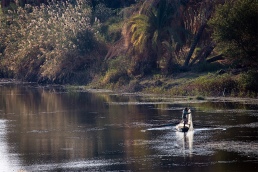
Egypt’s sunniest southern city and ancient frontier town located about 81 miles south of Luxor, Aswan has a distinctively African atmosphere. Small enough to walk around and graced with the most beautiful setting on the Nile, the pace of life is slow and relaxing. Days can be spent strolling up and down the broad Corniche watching the sailboats etch the sky with their tall masts or sitting in floating restaurants listening to Nubian music and eating freshly caught fish. Explore the souk, full of the scent and color of spices, perfumes, scarves and baskets.
Day 5: Aswan/Kom Ombo
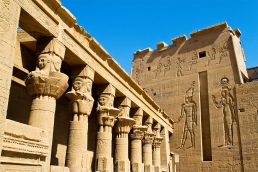
Kom Ombo is an agricultural town in Egypt famous for the Temple of Kom Ombo. It became a Greek settlement during the Greco-Roman Period. The temple at Kom Ombo is about 48 km north of Aswan and was built during the Graeco-Roman period (332 BC – AD 395). There was an earlier structure from the 18th dynasty but little remains. The temple is unique because it is in fact a double temple, dedicated to Sobek the crocodile god, and Horus the falcon-headed god. The layout combines two temples in one with each side having its own gateways and chapels.
Day 6: Edfu/Esna
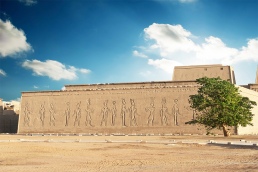
Edfu is located on the west bank of the Nile River between Esna and Aswan. The Temple of Horus in Edfu is considered the best-preserved cult temple in Egypt. It also reflects traditional pharaonic architecture and so provides an excellent idea of how all the temples once looked.
Esna, which was ancient Iunyt or Ta-senet, was built on the site of a major temple dedicated to the god Khnum. Besides Khnum, the temple was dedicated to several other deities, the most prominent of whom were Neith and Heka.
Day 7/8: Luxor
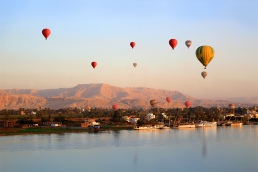
Located in Upper Egypt, Luxor has been described as the world’s biggest open air museum. It has been estimated that Luxor contains about a third of the most valuable monuments and antiquities in the whole world, which makes it one of this planet’s most important tourism sites. There are various important monuments to be seen: The Luxor Temple, Karnak Temple, the Valley of the Kings, the Valley of the Queens, Deir El-Bahri (the Mortuary Temple of Hatshepsut), the workers village at Deir El-Medina, etc. It was the religious capital for almost all of the Pharaonic period which is why the town is dominated by the two temples.
Day 9: Cairo
Transfer to Cairo and proceed to onward destination.